- All Products All Products The future of promotional products
- Backpacks
- Accessories
- Ad Labels
- Amenities
- Australiana
- Backpacks World Source
- Badges
- Bags World Source
- Bar Mats
- Barbecue
- Beach Balls
- Beanies And Scarves
- Belt Bags
- Bottle Opener Keyrings
- Bottle Openers
- Bottle Openers
- Buckets
- Business Cards
- Caps
- Car Chargers
- Car Chargers
- Card Holders
- Chairs
- Coasters
- Coasters
- Coffee Mugs
- Compendiums
- Confectionery
- Cooler Bags
- UNIFORMS AND CORPORATE SHIRTS
- Corporate Casual
- Cups & Tumblers
- Desk Items
- Drawstring Backpacks
- Drink Bottles
- Drink Coolers
- Earbuds
- Fans
- Fitness
- Flash Drives
- Flat Peaks
- SPORTSWEAR
- Glassware
- Golf
- Golf
- Hats
- Headphones
- Headwear World Source
- Highlighter Pens
- Highlighters
- Highlighters
- Home and Living
- OUTERWEAR
- Hot Cold Packs
- ID Holders
- Jute Bags
- Key Lights
- Kitchen
- Collection Collection Product ideas by category and industry
- Premium Range Premium Range Refined design with exceptional quality and presentation
- Branding Solutions Branding Solutions A complete in-house branding platform
- Flip Catalogue
- Non Profit Organization
- Customer Gallery
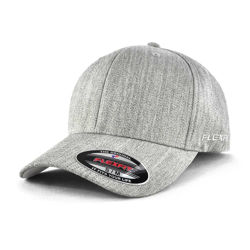 Flexfit caps
 [1]_250.jpeg "Legend Black") Legend Black
Legend Black 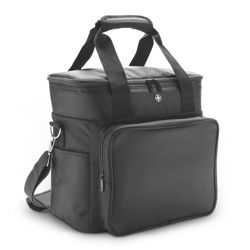 Bags
Bags 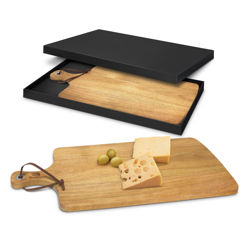 Home & Living
 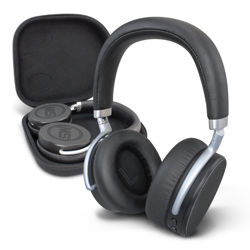 Technology
  Pens
Pens  Drinkware
  XD Design
  Swiss Peak
  Lamy
Lamy  Atlantis Headwear
  Supacolour
  Supaetch
  Supasub
  Supaflex
  Pad Print
  Rotary Digital Print
  Rotary Screen Print
  Flatbed Screen Print
  Imitation Etch
 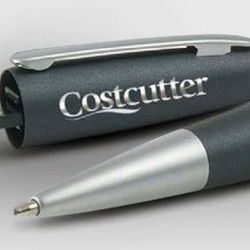 Laser Engraving
 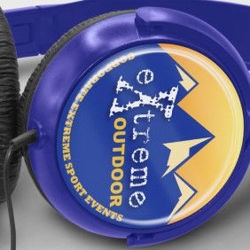 Resin Coated Finish
 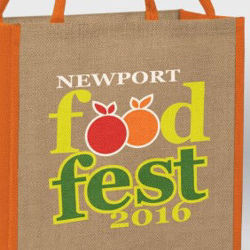 Digital Transfer
 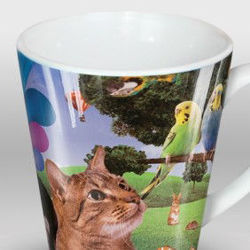 Sublimation Print
  Digital Print
  Digital Label
  Direct Digital
  Debossing
  Embroidery
  Promo in Wild Edition 3
  JB's Wear
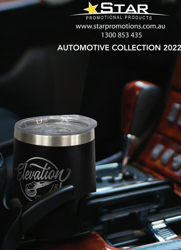
  Automotive Collection 2022
 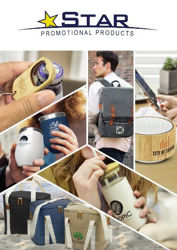 Star Promotions Main Catalogue
 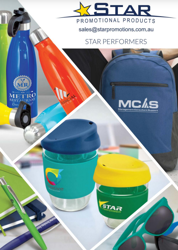 Star Performers
 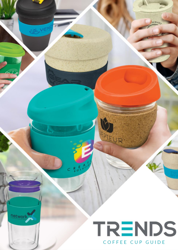 Coffee Cup Guide
  Premium Range Catalogue
 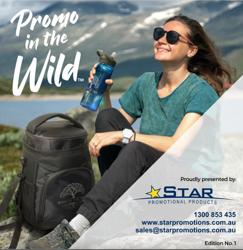 Promo In the Wild
 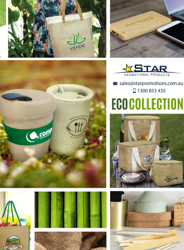 Eco Collection
  Real Estate
 - All Products All Products The future of promotional products
- Backpacks
- Accessories
- Ad Labels
- Amenities
- Australiana
- Backpacks World Source
- Badges
- Bags World Source
- Bar Mats
- Barbecue
- Beach Balls
- Beanies And Scarves
- Belt Bags
- Bottle Opener Keyrings
- Bottle Openers
- Bottle Openers
- Buckets
- Business Cards
- Caps
- Car Chargers
- Car Chargers
- Card Holders
- Chairs
- Coasters
- Coasters
- Coffee Mugs
- Compendiums
- Confectionery
- Cooler Bags
- UNIFORMS AND CORPORATE SHIRTS
- Corporate Casual
- Cups & Tumblers
- Desk Items
- Drawstring Backpacks
- Drink Bottles
- Drink Coolers
- Earbuds
- Fans
- Fitness
- Flash Drives
- Flat Peaks
- SPORTSWEAR
- Glassware
- Golf
- Golf
- Hats
- Headphones
- Headwear World Source
- Highlighter Pens
- Highlighters
- Highlighters
- Home and Living
- OUTERWEAR
- Hot Cold Packs
- ID Holders
- Jute Bags
- Key Lights
- Kitchen
- Collection Collection Product ideas by category and industry
- Premium Range Premium Range Refined design with exceptional quality and presentation
- Branding Solutions Branding Solutions A complete in-house branding platform
- Flip Catalogue
- Non Profit Organization
- Customer Gallery
- All Products All Products The future of promotional products
- Backpacks
- Accessories
- Ad Labels
- Amenities
- Australiana
- Backpacks World Source
- Badges
- Bags World Source
- Bar Mats
- Barbecue
- Beach Balls
- Beanies And Scarves
- Belt Bags
- Bottle Opener Keyrings
- Bottle Openers
- Bottle Openers
- Buckets
- Business Cards
- Caps
- Car Chargers
- Car Chargers
- Card Holders
- Chairs
- Coasters
- Coasters
- Coffee Mugs
- Compendiums
- Confectionery
- Cooler Bags
- UNIFORMS AND CORPORATE SHIRTS
- Corporate Casual
- Cups & Tumblers
- Desk Items
- Drawstring Backpacks
- Drink Bottles
- Drink Coolers
- Earbuds
- Fans
- Fitness
- Flash Drives
- Flat Peaks
- SPORTSWEAR
- Glassware
- Golf
- Golf
- Hats
- Headphones
- Headwear World Source
- Highlighter Pens
- Highlighters
- Highlighters
- Home and Living
- OUTERWEAR
- Hot Cold Packs
- ID Holders
- Jute Bags
- Key Lights
- Kitchen
- Collection Collection Product ideas by category and industry
- Premium Range Premium Range Refined design with exceptional quality and presentation
- Branding Solutions Branding Solutions A complete in-house branding platform
- Flip Catalogue
- Non Profit Organization
- Customer Gallery
- All Products All Products The future of promotional products
- Backpacks
- Accessories
- Ad Labels
- Amenities
- Australiana
- Backpacks World Source
- Badges
- Bags World Source
- Bar Mats
- Barbecue
- Beach Balls
- Beanies And Scarves
- Belt Bags
- Bottle Opener Keyrings
- Bottle Openers
- Bottle Openers
- Buckets
- Business Cards
- Caps
- Car Chargers
- Car Chargers
- Card Holders
- Chairs
- Coasters
- Coasters
- Coffee Mugs
- Compendiums
- Confectionery
- Cooler Bags
- UNIFORMS AND CORPORATE SHIRTS
- Corporate Casual
- Cups & Tumblers
- Desk Items
- Drawstring Backpacks
- Drink Bottles
- Drink Coolers
- Earbuds
- Fans
- Fitness
- Flash Drives
- Flat Peaks
- SPORTSWEAR
- Glassware
- Golf
- Golf
- Hats
- Headphones
- Headwear World Source
- Highlighter Pens
- Highlighters
- Highlighters
- Home and Living
- OUTERWEAR
- Hot Cold Packs
- ID Holders
- Jute Bags
- Key Lights
- Kitchen
- Collection Collection Product ideas by category and industry
- Premium Range Premium Range Refined design with exceptional quality and presentation
- Branding Solutions Branding Solutions A complete in-house branding platform
- Flip Catalogue
- Non Profit Organization
- Customer Gallery



 View All Products
 sales@starpromotions.com.au


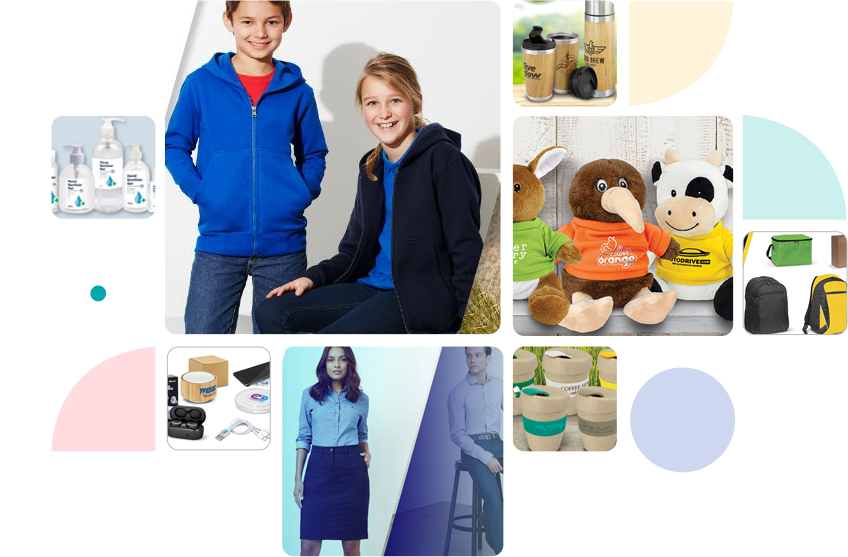
Welcome to Star Promotions
Australia's Top Corporate Promotional Products and Branded Merchandise Company
Boost your marketing strategy and brand value with our huge collection of promotional products for your corporate promotionsenhancement and event giveaways. Customise the diverse and impressive promotional merchandise and swag to your requirements. Available at affordable prices with quick and free delivery options.Chat To Us Now.
Personalised Promotional Merchandise and Corporate Gifts
Even with the advent and wide usage of online marketing and advertising, conventional offline marketing is still not dead. Promotional products are still used to influence target markets and can be very powerful in doing so. Promotional gifts are ideal for advertising a business or raising awareness for a cause.
The reason for this is simple.
Physical products can stay and connect with a person in real life for many years, creating loyalty that is harder to achieve with online marketing. With your branding information and logo imprinted on quality, carefully selected promotional gifts, you are sure to grab theattention of your prospective customers. This gives you thousands of “impressions” during the lifespan of the merchandise.
We offer customisation and printing on all of our products. With our precise branding methods, you can be sure that your logo and brand name will last on your products for years to come. Thus providing you with recurring advertising benefits, just by paying once for a product.
Wide Range of Affordable, Branded Promotional Products
Our promotional products inventory is one of the largest in Australia. Whatever type of corporate promotional products you are looking for, we probably have them in stock! We have a plethora of products divided into different categories. Ranging from corporate apparel, bags and drinkware to pens, speakers and tool kits, we have almost every type of promotional merchandise in our inventory, and there is truly something for everyone.
The best part of buying from us is the affordable prices we offer. You can compare different products from our inventory and choose the one which suits your needs and budget the best. Dive into one of our categories to experience this.
SUPERIOR QUALITY PRODUCTS WITH QUICK AND FREE SHIPPING
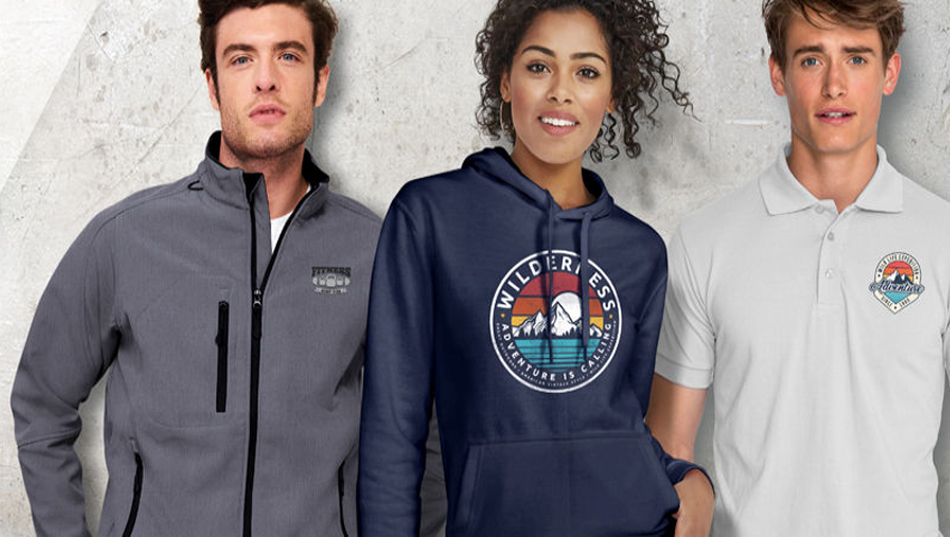
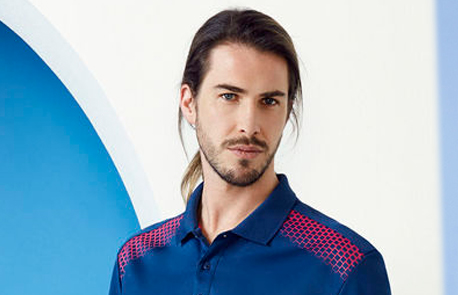

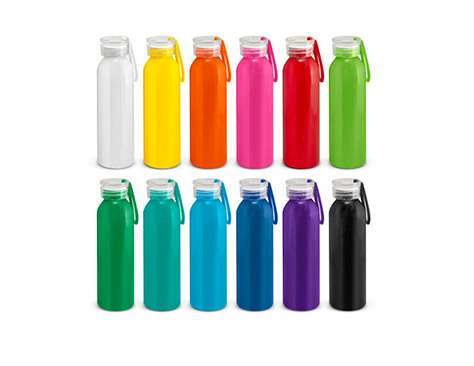
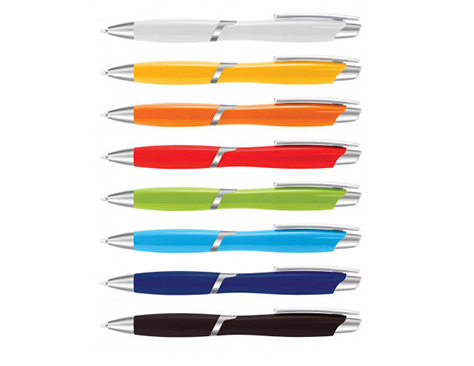
Why Choose Us
We understand that you have many options available to you when it comes to branded promotional products. But the question of why you should choose us is very easy to answer for us. We'll give you four good reasons to choose us for your next order.
 100% Product Quality Guarantee.
 Quick and on-time delivery.
 Low Price Guarantee.
 Friendly After Sales Support.
The Clients We Serve
Our Promotional Merchandise is meant for every business and industry on this planet. Whether you are a big corporation or a small brick-and-mortar store, we have products to make your promotions a successful campaign. We supply promotional products for various industries and service sectors, including State and Federal Government agencies, Real Estate, Agriculture, Construction, Aviation, Trucking, Automotive, Financial, Shipping, Travel, Legal, Political & Campaign, Education & School and Fund Raising.
Whatever industry you’re in, we have the right corporate promotional items for your campaign or event!
What Areas Do We Serve?
We sell our promotional products throughout Australia, including Gold Coast, Brisbane, Adelaide, Melbourne, Sydney, Queensland and Perth Regions. Other major cities we serve include Geelong, Townsville, Canberra, Woollongong, Newcastle and Cairns. We offer quick delivery of orders across Australia within the least time possible. You can browse our extensive inventory of promotional products, or you can send us an image of your personalised promotional product so we may imitate and manufacture it for you.
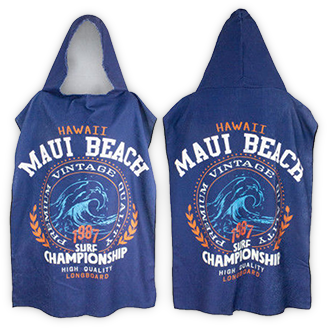
Buy Plain, Customised or Branded Promotional Products at Wholesale Prices
For more information, please contact us at 1300 853 435 or sales@starpromotions.com.au.
Blog
View All
 05 March, 2024
The Power of Promotional Merchandise For Non-Profits & Charitable Organisations
 - 0 Comments
 Don’t hesitate! Get your non-profit and charitable organisation on the map with promotional merchandise supplies.
Details 05 March, 2024
Boost Your Campaign with Labour, Liberal, Green & Independent Election Merchandise
- 0 Comments In the pulsating arena of politics, visibility is power. Whether you're representing Labour, Liberal, Green, or Independent ideologies, harnessing the potency of election merchandise can be the strategic edge your campaign needs.
Details 29 April, 2022
Bowl Out The Competition With Promotional Hat Tricks
- 0 Comments A hat is a hat is a hat - nope, that statement couldn’t be more wrong. A well-chosen, correctly branded hat takes your branding exposure to a new level. Promotional products are growing in popularity year-on-year and new ideas of promotional give-away proliferate.
Details